About This Episode
What does it actually mean to raise a child who can handle life on their own?
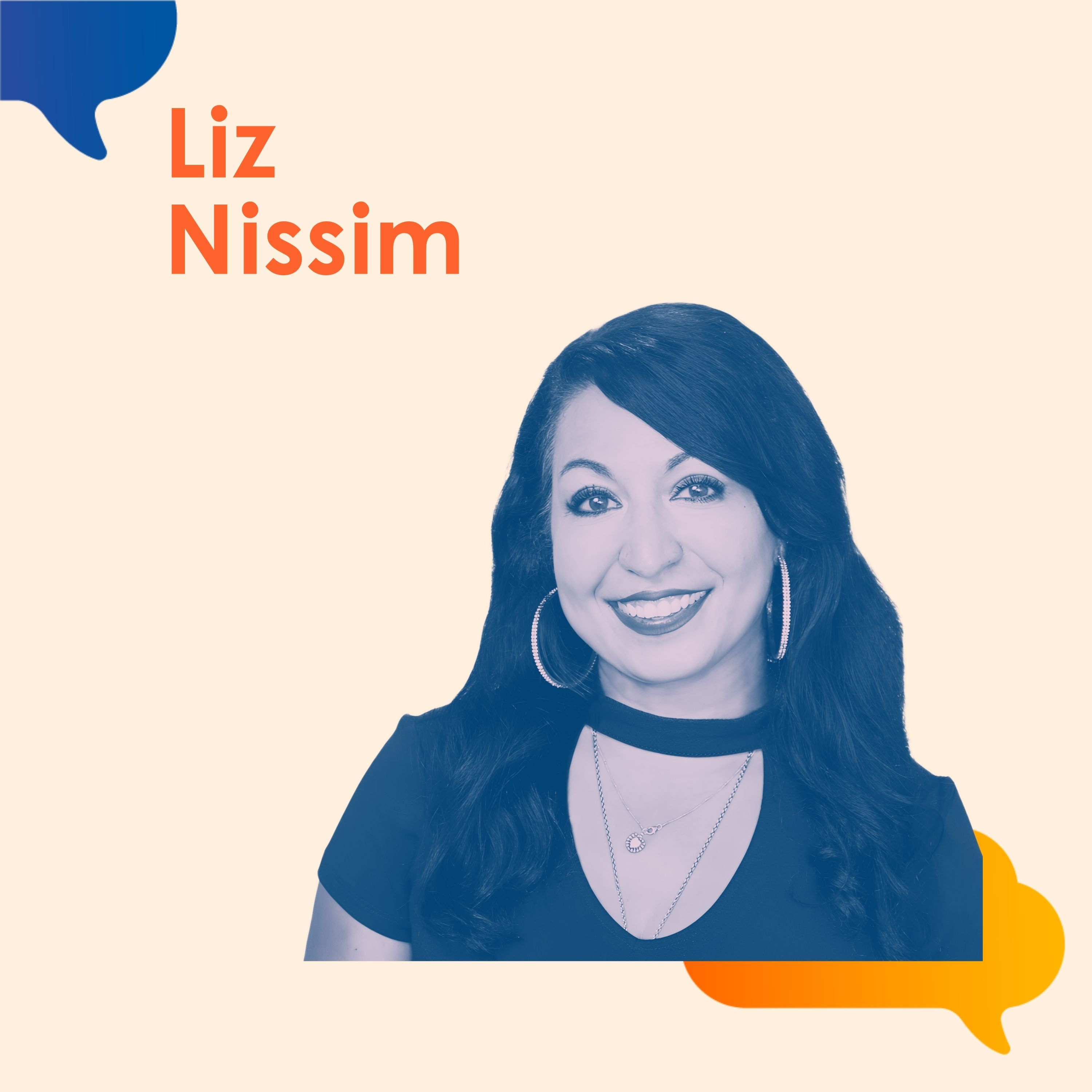
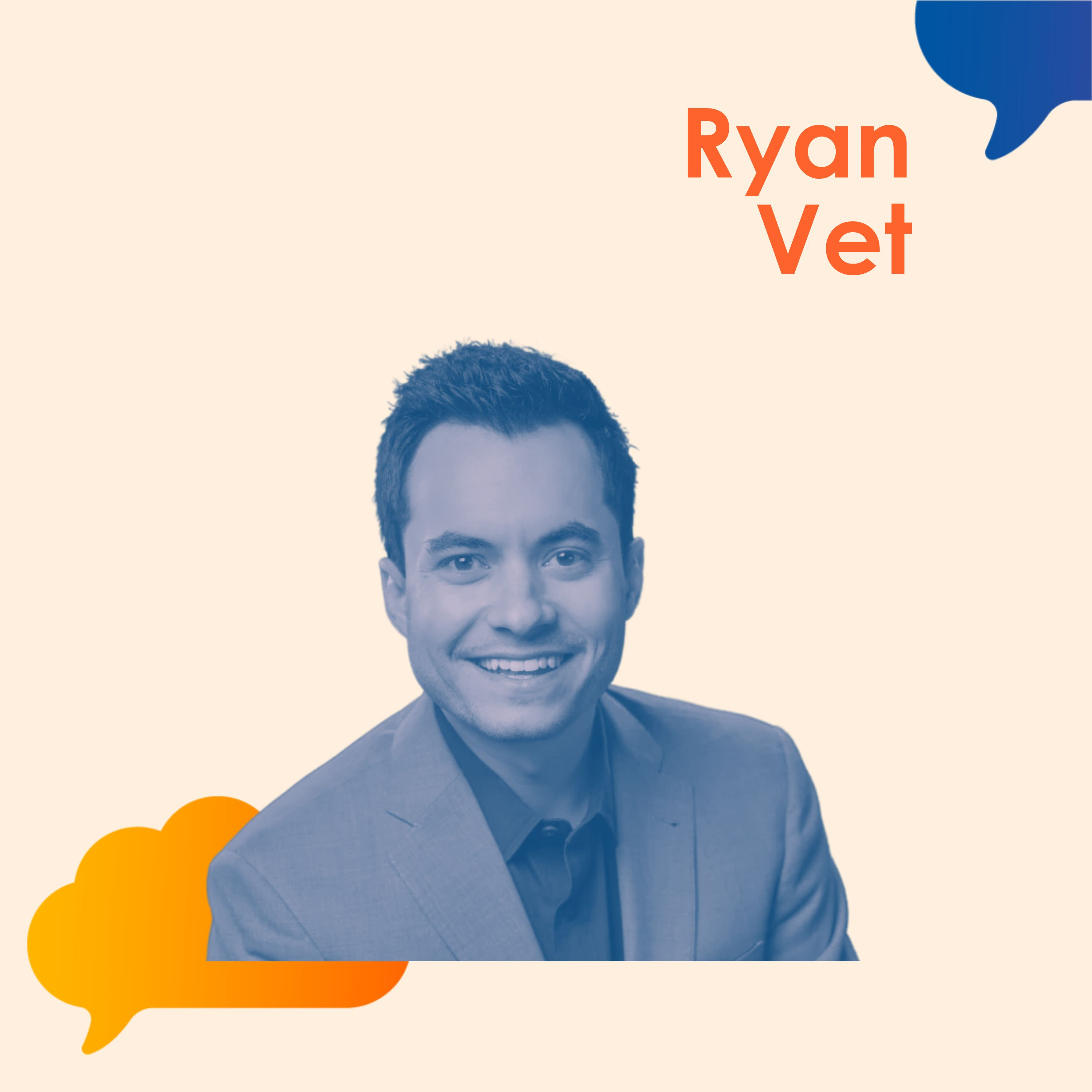
In the previous episode, Ryan Vet and I looked at parenting from the macro level: how our own childhoods, generations and the world around us shape the way we raise our kids. With Dr. Liz Nissim, we zoom in on what children actually need from us to become capable adults.
Liz, a licensed clinical psychologist and certified school psychologist, shares practical advice on emotional safety, boundaries, consequences, resilience and the gradual transfer of responsibility from parent to child. We talk about the difference between supporting a child and rescuing them, why frustration and disappointment are part of growing, and how asking questions can teach children to figure things out for themselves.
We also explore the role of mindfulness and self-awareness in parenting. Our children can trigger things we haven't fully worked through ourselves, so sometimes the work is ours - to regulate our own thinking and emotions.
Key takeaways
- Emotional safety doesn't mean removing difficult emotions
- Boundaries can create security, not just control
- Helping isn't the same as rescuing
- Children need opportunities to struggle, make mistakes and solve problems
- Independence grows when we teach children how to think, not simply give them answers
From Liz
“My job is actually to ultimately teach you how to be able to do this on your own.”
“Keeping your kid happy doesn't mean they're growing.”
Questions we explored
What kind of adults are we ultimately raising?
Capable, independent young people who can support themselves, build relationships and find work they enjoy.
How do we build emotional regulation?
By acknowledging emotions, holding appropriate boundaries and modelling regulation ourselves.
When does helping become rescuing?
When our help starts communicating that a child can't handle something without us.
Why let kids struggle?
Because real experience, mistakes and difficult moments are where competence develops.
Listen to the full conversation with Liz, and the previous episode with Ryan, for two different perspectives on the same bigger question: what are we doing today that shapes the adults our children become?
About Dr. Liz Nissim
Dr Liz Nissim is a licensed psychologist and recognized expert in ADHD, anxiety, autism, learning differences, and neurodiversity across the lifespan. She specializes in comprehensive psycho-educational evaluations for ADHD, autism spectrum disorder, learning disabilities, dyslexia, dyscalculia, dysgraphia, and anxiety, with a focus on translating complex diagnostic findings into practical, real-world support.
In addition to assessment, Dr Liz provides executive functioning coaching and parent coaching, helping children, teens, and adults build skills in organization, emotional regulation, time management, and self-advocacy. Their work emphasizes strengths-based, evidence-driven approaches that support both individual growth and family systems.
You can connect with Liz on YouTube @DrLiz513, https://www.psychedconsult.com/, and Instagram and LinkedIn.
Mind Blend is all about real experiences and meaningful conversations—through sharing these insights, I hope to inspire and empower you as you navigate your unique journey.
What resonated with you today? What topics or guests should we feature next? Let’s keep the conversation going—connect with me on LinkedIn @Mind-Blend, Instagram Mindblendpodcast or mindblendpodcast [@] gmail.com.
Follow Mind Blend to get notified when new episodes are released!
Music license code LVNWN9FPQFIS7KCR

 Spotify
 Apple Podcasts
 Amazon Music
 Castbox
 YouTube
 Castro
 Goodpods
 Moon FM
 Overcast
 Pocket Casts
 Podbean
 Podcast Addict
 Podcast Republic