About This Episode
When the familiar starts to feel shaky, how do you move forward?
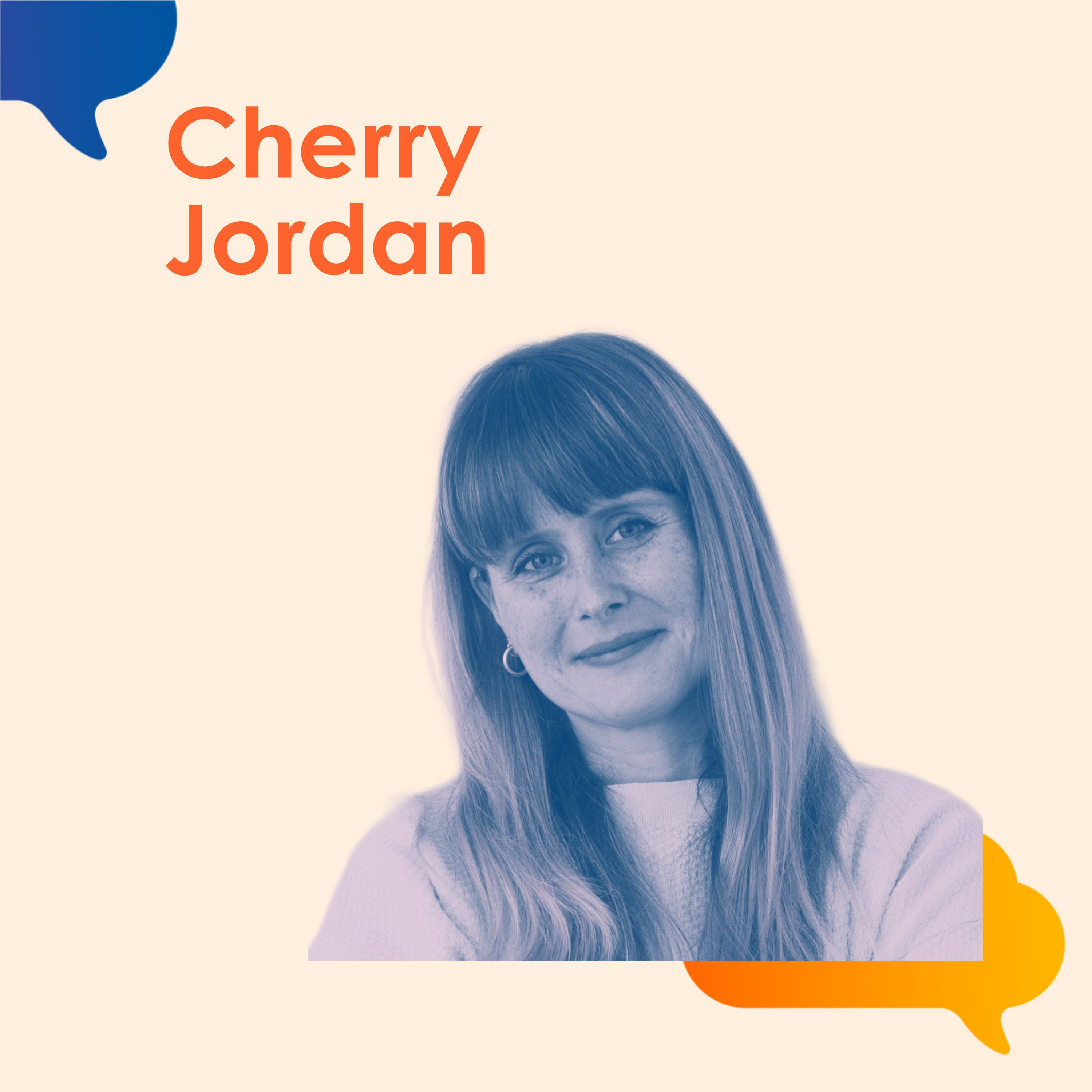
In this episode, I mind-blended with Cherry Jordan, a former TV Production Manager turned transformational coach, who shares her deeply personal and powerful journey of career reinvention. After spending years in the fast-paced world of TV, Cherry experienced a major turning point—one that many professionals will relate to: feeling stuck, burned out, and unsure of what was next.
Cherry shares her own journey of pivoting out of a long, successful career in television and into coaching, and the lessons she learned along the way about identity, reinvention, and growth. Together, we explore how mindset shifts, self-awareness, and small intentional steps can help people rebuild belief in themselves and reconnect with purpose.
This episode is filled with heart, honesty, and tangible tools to help you:
- Why the industry isn’t always shrinking — and how to spot overlooked opportunities
- How self-reflection can reveal what you actually want (vs. what you’ve been chasing)
- The power of giving yourself permission to change course
- Tools to calm the inner critic and take your next step — even if it’s a small one
- How to move forward when you feel stuck, lost, or uncertain
Whether you’re contemplating a career pivot, navigating a layoff, or simply questioning what’s next, this conversation offers permission to pause, reflect, and imagine new possibilities.
You’re not lost—you’re just in between chapters. Let Cherry’s story remind you that you’re capable of writing the next one.
“It's about being curious, thinking about what you really want to do. What would light you up? And how could you get there. What's one small step you could take.”
About Cherry Jordan
Cherry Jordan is a transformational coach with a background in TV production. After spending years managing high-pressure, fast-moving production environments, she reached a point where the pace and intensity no longer aligned with the life she wanted to live. That turning point led her to start The Brain Spa where she now helps professionals—especially those navigating uncertain or transitional career moments—reconnect with their values, rebuild confidence, and carve out a more fulfilling path forward.
Cherry brings a unique blend of industry insight and deeply human-centered coaching to her work. She’s known for helping people move from feeling stuck to stepping into new possibilities with clarity and courage.
Today, she works with creatives, industry professionals, and career changers to help them not just survive change—but thrive in it.
You can connect with Cherry on
Mind Blend is all about real experiences and meaningful conversations—through sharing these insights, I hope to inspire and empower you as you navigate your unique journey. I’d also love to hear from you! What resonated with you today? What topics or guests should we feature next? Let’s keep the conversation going—connect with me on LinkedIn @ karenkchong and @ Mind-Blend
Follow Mind Blend to get notified when new episodes are released!
Until next time, stay curious, keep exploring, and let’s continue to blend our minds and discover what’s possible.
0:01 What do you do when the world you know has completely changed? Maybe you've worked for years building a career, climbing your way up, only to now feel like the ground beneath you is shifting, The rules are disappearing, the pace is relentless. And the burnout, yeah, it's real. In this episode, I'm mind blending with Cherry Jordan, a transformational coach who gets it because she's lifted. After years of working in the fast-paced world of TV production, she hit her own breaking point and made a bold transition.
0:33 So now she helps others do the same. Whether it's moving up, moving on, or completely reinventing.
0:44 Welcome to the show Mind Blend. I'm your host, Karen Chong, and I'll be diving into the minds of incredible people, each an expert in their very own way. Together, we'll uncover insights and share ideas so you can be inspired and empowered to navigate your own unique journey in life. Ready to get curious and discover what's possible? Let's blend. So joining me today from Brighton here in the UK is Cherry Jordan. So Cherry is a former TV production manager, but she has made a transformational switch, and now she's a coach and the founder of The Brain Spa, helping individuals navigate career change with more confidence and less stress.
1:33 Hi, Cherry. Hi, nice to meet you. Nice to meet you and welcome to mind. Bland, thank you and thank you for that introduction. So I was just talking to some friends and we talked about many things. It's one of those nights where you just spent hours in their house. And then we were talking about, oh, what's your favorite TV show going out this morning? Before my conversation today with you, I was like, I don't know how much longer we can ask that question because growing up with certain TV shows is very natural to all of us, but maybe not so much anymore.
2:13 So I'd like to dive into this topic with Cherry since you are you have such a long history in the field. Sounds good, I'll. Have a little bit more about your journey, like what you did before, what happened, what inspired you to launch the Brain Spa and we'll go from there. Sure. Well, I always wanted to work in TV when I was a kid. I don't know, you probably don't know this programme, but the, the Brits listening to this will probably, well, anyone who was born in the 80s, which I was, will remember the programme Wogan, which was a guy called Terry Wogan who did this, held this sort of chat show every evening.
2:55 And from a really young age, from like 7 years old or something, I was like, I want to work, I want to work with the BBC because it used to say at the beginning Live from Wood Lane and the Terry Wogan show. So I wanted to work at the BBC and I'd, I just always felt drawn to it. And I in a way, looking back, I think I kind of manifested it because it was always something I thought I'm going to do that I'm going to work for the BBC and I did work for the BBC Live on Wood Lane with Terry Wogan for you.
3:26 And so I got there and after a bit of a false start because I didn't go to university, I didn't do A levels, which is, you know, the sort of normal academic route over here. I, I just kind of went for it. I eventually went back to college sort of mid 20s and did media production. And that was just a couple of years HND, but that actually did open the sort of doors for me to get into television. So I, I started there and it was, I was really, it was really great to sort of be in that place. And I ended up being at the BBC for about 8 years.
4:00 But it's, you know, it's a brilliant company. I'd had a great time there, but it was quite hard to progress, you know, so I decided to move on and, and hard to progress for me. Maybe others don't find it so, but I do. So I left and I started working on current affairs. So things like Panorama and Channel 4 dispatches and things like that. So quite hard hitting current affairs, quite stressful. A lot of times I think I nearly sort of hit burnout during that time. But you because you just keep on going.
4:31 It's such fast turn around, you just carry on. And it was hard. You know, people in the TV industry work incredibly hard, not to say other industries don't, but it's it can be lots of very litigious, you know, working in this kind of current affairs thing. So it can be very difficult dealing with a lot of different personalities, many different subjects, big number of staff. So, you know, at that point, so sort of in my early 30s, I was, I was building up to this quite sort of stressful careen. I then left there actually.
5:04 And I did my sort of first pivot, I guess. And I went from broadcast television and I went into digital. So I worked for Vice managing the the news team at Vice. So kind of same, but different in a way. But it was really great to sort of see content production from a different angle from just this traditional kind of, you know, what, people sit down, it's at the beginning and watch TV. This was now more on demand and people choosing to sort of, you know, get on YouTube and watch it like that. And again, quite stressful.
5:38 I know one day it would be like, OK, yeah, so we need to send someone to Afghanistan tomorrow, OK. And you just do it, you know. So, yeah, a lot about how responsive we can be and how if you've got to get something done, you can just do it, you know, you find out how to, if you don't know or if you do know, you do it again. And that was really I, I learnt a lot from that experience. But my, my last role in digital content was at The Economist. So I worked there for eight years as well. Lucky number 8, I was head of production there for the film department, which I was sort of instrumental in setting up with my with my colleagues there at the time.
6:23 And once I, we did set that up we went from having about and I think about four members of actual staff on the team all the way up to I think we end up having about 25 staff and then multiple freelancers all around. So again, it's this kind of spinning plates scenario, Lots, lots going on, a lot of people management, but I too got burnt out from just from the amount of work. I mean, the industry was really weird at that time because even though it was kind of lockdown, you know, not that long out of lockdown, there was actually a lot of work at that time in television, which is where I was mostly.
7:05 But then it started, you know, there was so much work. We had so many different clutch managers, all these different freelancers coming in and out. So it's very hard to kind of give everyone the attention thing. You know. So I got bent out myself and actually I got diagnosed with clinical depression and anxiety and I realized I think I'd actually been depressed for quite a long time and I had to be signed off work of months. And I actually in that time was really lucky and I managed to have a lot of therapy.
7:38 I mean, at one point I was doing, I was doing 12 hours of therapy a week, like group therapy, which is a lot, you know, and which I don't have to kind of explain it always a lot. But it was life changing. And I feel incredibly lucky that I was, I had the opportunity to do that, which I wouldn't have been able to do as a freelancer. And I learned a lot from that. And that's kind of what led me to start the brain spa because I just really wanted to be able to help people not feel like they had to work so hard they went to burnout order to just get a job done, to be rehired to, you know, make life really hard and actually to help people find ease in what they do, you know, calm.
8:28 There are always stressful parts of our jobs, any job, there's stressful parts. There's bits we don't want to do, but there's also the we have a choice as to how we approach those parts. And I learnt a lot for myself, you know, I went from reacting to responding. I went on hyper vigilance to kind of talking myself down and thinking, you know, it's OK. So I just really wanted to kind of help people learn techniques through coaching to actually be able to deal with those high pressure moments and actually find work that they really enjoy.
9:07 So that then has the impact on us loving our lives as well. So it's all made. So now I I coach people around many different things. Career transition is one of them, especially with people who are in the creative industries actually and coming out of that because they're of the lack of work currently in the industry. But also around things like impostor syndrome, confidence, self esteem, all these things which if we can just learn to deal with those sort of demons in our heads, then it does make life a lot easier really.
9:41 Yeah. So how would you say the creative industry, media industry, TV industry, the landscape right now, how would you describe that? Complex. Complex. Yeah, I think it's there's a lot, there's a lot of economic pressures and things on the industry at the moment, funding challenges. I mean there's been reduced funding for domestic projects and there's been a lot of sort of high focus on the high end dramas though. And that's to do with the multiple platforms, you know, all over the world now. And we don't just have the BBC anymore over here.
10:17 We've got hundreds of channels to choose from. So the competition is very high. And a lot of the things that get a lot of viewers, including me actually, it's, you know, things like box sets, dramas, box sets, factual television, it's just not quite at the same in quite the same demand, which is such a shame because it's one of the strongest products I think we've cut out from the UK. It's our factual mission. And there's, you know, there's many people that are suffering out there. I mean, the the unemployment levels are really high.
10:51 I mean, it's about over half EU KS film and TV workforce and remain out of work at the moment. So that's serious. You know, if it was some other trade, I don't know, maybe there would be more of an outcry. But it seems to be something that's kind of going unsaid. And I think that's unfortunate because there's so many talented people with so many skills. And I'm sure I don't know if we'll ever return to what it was. I mean, let's hope so. But if it does, they get people, they, all those people will have gone because they would have changed their career.
11:23 And I wouldn't blame them for doing so. A lot of them are freelancers who have, you know, many who have been blessed with years and years of continuous work. And they would be the first ones to say that. But now all of that has been put to one side and they're left to just have to, you know, do jobs that they don't necessarily want to do. There's nothing wrong with working in a pub or, you know, doing some office work That's, that's fine. But that's not what they trained and did, worked all those years for.
11:54 So I think that is it's a really difficult time for them at the moment. Yeah, it's not just TV media production. I have a lot of people in the creative industry as well. A lot of them were laid off and they have been struggling to find new opportunities. It's not I, I can't put my finger on if it's the demand or what, because I do see a lot of jobs out there. It's just maybe like you said, competition. There's a little, if half of the UK media film producers are out of a job, then you can imagine the competition.
12:33 And I think a lot of the funding is a thing, the pressure for revenue something and then the perception that, oh, we can do this with AIII hear AI every day to a point where do not mention this word anymore unless you know what it's actually doing. So it's definitely putting a lot of pressure on everyone. Yes, I agree with that. And I think the other challenges as well is that there's no, the money in the industry is really low at the moment, but they still have to invest in future, you know, upskilling people for the future in things like AI, making sure they use them correctly and, you know, other technologies and stuff, which is going to make sure we move with the times.
13:20 But because there's no budget to do that, that makes it really hard to keep these, you know, all these freelancers, all these other permanent staff up to date with their training. And that will have a knock on effect eventually. I I. Yeah, can't just be just focus on now, because you need time to train people, you need time to train AI too, Yeah. Exactly. And we need the right people training it with the right information. So this is where, you know, those specialisms come in. I mean, I think AI, you're right.
13:49 It is, it's, it's a scary subject for a lot of people. Yes, because not everyone know the full capability, what it can and cannot do, what it's meant to do, what it's not meant to be. Yeah, exactly. So I think, you know, it's coming. There's not much we can do about that. So it is enhancing it and using it in a way that we can. But that does take training. And people who have been employed, unemployed for a year, and I speak to a lot of people, unfortunately are in that situation. They can't afford to pay for that kind of training.
14:21 So where's the upskilling? You know which worries me? Yeah, of the people that you talk to, either former colleagues or people in your network or maybe your clients, where is the problem according to them? Is it the there's just not enough demand or? Yeah, I think there's high demand for jobs, but low demand for, you know, hiring. So yeah, that does appear to be the biggest thing. I mean, I, I do work with some people who are currently in jobs. So they they're having to take on so much because they're such a small team or their budgets are so tight that it's become incredibly difficult for for them to sort of function in that space.
15:12 So that there's, again, there's something wrong there. It's the, I don't know whether it's the broadcasters, commissioners, whoever they are, but saying, you know, oh, yeah, yeah, we'll give you this budget, but you need to do all of this for this small budget. And it's setting a really difficult task for those people. And the pressures that come with the having to say no or the, you know, having to report, we can't do that. That's also how it takes a real, you know, it has a real impact on people and the stress levels of that alone will basically increase burnout, which then means other people can't work because they burn out.
15:51 It's it's a bit of a in a bit of a cycle. Yeah, when you were burned out yourself. So if you were to tell this person what you know now and piece of advice for that person yourself 5-6 years ago, what would you say I. Think I'd probably say reflect on what you like and don't like in your job. Actually start to piece together what a perfect working day looks like for you. It doesn't matter if it's realistic or anything, but just getting to kind of know what drives you I think is really important and to really be curious as well, you know, why do you feel like that?
16:37 Why does that work? Why do I only want to work four days a week? Why do I only want to work five days a week? But until 2:00 PM every day, You know what, what, what is it? What is it that actually you want to do? A lot of the time with my clients who I'm working with on career transition, it would be looking at, you know, their, their past interests from like from being a child in through their previous work life. You know, what is it that used to be that used to get really excited about? What hobbies did they do?
17:05 You know, try and remember what made you you in the beginning. What made me as a 7 year old child want to go and work for the BBC? And I think by exploring these things you can really start to work out who you are. You know, it starts to show you who, what your values are. We do a lot of work around strengths and things like that as well. Because you know, again, a strength I believe is something that you're highly skilled in and you enjoy. So it's what are those things? It's not just about going on, right.
17:39 Well, I suppose I'm really good at bookkeeping, but is that going to keep, Is that going to make you want to carry on? You know, is that the the sun? Maybe maybe some numbers, but for me, I'm terrible with numbers. So probably. But thank God we have many things to do with that. But yeah, I feel like it's, it's having, I wish I'd known to kind of have that self exploration and don't just think, right, I'll get another job and just not throwing all these these job applications out there because it's, it just doesn't really work.
18:14 And also with things like LinkedIn, when AI is a massive tool that is used in applying for jobs on either side of that fence, then it's a bit of a thankless task. I mean, I'm not sure of the statistics about actually getting an interview from a LinkedIn ad, but I imagine they are they're pretty staggering in the amount of times that people were actually getting interviewed because so many people are going for the same jobs. So I think it's, it's about being curious, thinking about what you really want to do.
18:43 What would light you up and how could you get there? What's one small step you could take today that might get you a bit closer? That might be thinking, oh, so I'd really love to work with animals and I'm just going to check out this website that, you know, he'd go and volunteer working with animal. You know, it's just seeing where these these steps are. So yeah, I think, I think I just asked myself to be a bit more reflective, curious, and considerate of my own needs. Yeah. And I think in that process, you kind of opened up your eyes to to opportunities that you didn't think would be opportunities.
19:21 Absolutely. Yeah. I mean, it's interesting, you know, a few people I work with who have worked in the TV industry for a long time, but have really great, very drawn towards food and making food and want, you know, this to be part of their lives, which seems quite sort of not alien, but coming from a different, you know, from a quite a different angle. You know, that actually, how can they combine their love of food with what they can already do? You know, how could they write about food? How could they make content about food, You know, bringing in the skills they've already got and the strengths they have and joining them up with an interest that they're really passionate about.
19:59 And I think we have seen that starting to come true. I think even it's been a while, like for the last 10 years, the food, the amount of food related, those movies, documentaries. But yeah, it's it's interesting. Yeah, food is definitely. It comes up quite often actually, the food angle and. Look at all the cooking shows. Baking shows. Exactly. And I guess most people love food. I mean, watch a lot of that stuff. So, yeah, I think I think it's about, you know, pivoting as well. And not one thing that the industry has shown us over the last few years is you, you don't necessarily have to be attached to a broadcaster.
20:41 You know, you can go into your own thing if you start your own YouTube channel or your RAM channel, you know, come up with your own content. And that might sound quite scary to some people, but many people have started from that position of fear as well. And they just do it anyway. And you know, like Patreon as well is, is a really great platform for that. And you can earn money from putting things up on there too. So I just think there's, there's so many different ways now to create your own content without having to go under the umbrella company.
21:11 Yes. Do you see them as threats? Like, do you see, yes, they're making it a little bit easier for people to not have to be attached to a broadcaster, but it also is sort of creating competition to major broadcaster like BBC. Do you see them in the same market? I think they're very different markets. I think they're appealed to different age groups. But you know, I, I have a tendency to lean towards a more kind of abundance mindset. And in my mind, you know, there's enough for everybody of everything.
21:43 And I feel that there are learnings to be taken from each and to be used by each as well. So, so no, I don't see them as competition. I think, I think that digital content has shaken up how, you know, mainstream TV has, you know, how it has to change. Basically it's been disruptor of that. But I think that's a good thing. But I mean, I remember years ago when I was working at the BBC and someone said to me, they said, oh, well, you do know, like in the future, people won't just watch schedule television anymore.
22:18 They'll be able to choose what they want to watch. And I was thinking, what, no, what are you talking about? Because I couldn't get my head around it. Here we are. I mean, I, I, that's, that is how I consume TV. However, some of that TV is still the BBC, some of it's still Channel 4. You know, it's not all Netflix, Disney, Amazon, whatever. So it's still room for those broadcasters, but they have been forced to change how they do it. With different types of content comes different kind of rules.
22:48 So you know, you don't create a YouTube documentary in the same way you do a television documentary, for example. So it's, but it's all these different skills that everybody can learn from as well. Yeah, being open to new opportunities is definitely important in any career change or in life in general, but especially when it comes to career change. Of the clients who came to you, are they usually Is there a bigger group of people who are navigating changes to a completely different industry or more progressing in their current path?
23:26 I think of recently it's been more people looking to change. I think that doesn't mean to say they wouldn't go back to TV if there was work, but they're realising that sadly it's, there's no guarantee there anymore. You know, they don't have these six months contracts rolling on for years and years. It's with different companies, you know it, but it's, they're realising they have to have a different string to their bow. So I, I think that is the general theme. I find the other theme I see a lot is that people want variety in their work.
23:58 Absolutely. So more leaning towards kind of portfolio careers. So for me, for example, I'm a coach, I'm also a facilitator, I produce a podcast. I, you know, I am, I, I'm a Co founder of the festival. You know, there's lots of different things I can do and I love that variety. And that's something that I never had when I was in permanent employment. You know, it was very much 9 to 5 some time later, 9 to 5 of you, you know, Monday to Friday and that was it. And now I feel like I have so much space.
24:33 I'm still very busy, but I have space to do things I really want to do though I think having that kind of more. Yeah, portfolio career fractional is a word that's talked about a lot at the moment. Fractional careers. Yeah, I'm also a fractional CLO, so I kind of had that as another side. So just be able to dip your your hands and all these different things that's. Yeah, I have heard the word fractional being used when it comes to titles, but for anyone who's not really familiar with fractional roles, can you tell us a little bit more?
25:09 Yeah. So it's more about, so it's kind of like freelance work, but you're more brought into a company. So as a fractional Chief Operating Officer, I am more, you know, I will have an e-mail address to that company. I feel connected to that company that I'm working for. I won't just be, you know, brought in to do, I don't know, one particular project and then I'm off be very much supporting a business and having sort of a vested interest in that. So the other thing is about it's not necessarily 9 to 5 either.
25:43 It's more about you're somebody a client is paying for impact rather than, you know, impact and value than hours in the week. So they'd say, you know, I really want to see an increase in my sales or I want to have a better social media platform or whatever. Then they will judge on that and they're they're paying for that rather than like, oh, well, it's it's 4:50 and you, you look like you're about to leave and I don't want you to leave it. You know, it's not different kind of way of working, but you might work fractionally by say doing a couple of days a week for, for one person and then doing a few hours a week for another half day here for someone else.
26:22 So it's you're having to switch up quite a lot in your, but it means you get to work with lots of really interesting different companies and people as well. Yeah, and that expands your skill set. That's. Absolutely. And it's beneficial to everybody because I might learn something from one company I'm working with, you know, in terms of technology or something like that and think that would work really well for them. And so it's kind of sharing all of this, you know, these different ways of working basically.
26:51 And for any creatives in transition, whether trying to find new paths or they're still struggling to find their permanent jobs, will be some advice for them as first steps first. Steps. Well, as I say, I think it was probably to take small steps. I think, I think when people think, right, I've got to change career and I'm going to go and do this and they then they don't do it because it seems so massive. Just take these little steps, make that phone call, have conversations with people. I mean, the biggest thing I promote on my in my program for career transition is getting people out there and talking to people who are doing what they want to do.
27:39 So it's surrounding yourself by the right people. So, you know, if you want to be an entrepreneur and start your own business, go and surround yourself with entrepreneurs. What's for the people doing that? If you want to go, and I don't know, be a be a circus artist, go and ask the circus artist if you know what it's like to be them. You know, so I don't mean to sound facetious, but it's, it's actually just putting yourself out there. And the word, the big N word comes in a lot, the networking word, which is people hate networking.
28:12 And it's actually, I don't know if people hate networking. I think they hate the word. I think the fear of golden to people, but that's not what networking should be. It can be a really great way just to make connections. So I always think when I go to a networking event, it's not about right, who's going to give me a job here. It's about who can I meet? Who can I be, make a friend who I just have the, you know, a collaboration with in some way, whether that's just a thought process or an actual thing.
28:40 So I think getting out there and starting to network in the right circles is really important as well. Finding a mentor. I know Ermi, your, your last, she mentions the same thing. And I totally agree with her that, you know, having someone who's doing what you want to do is already achieved in it so beneficial. And so many people want to be mentors and they want to help people. It might take a while to find that person. You might find you're sending, I don't know, 10 LinkedIn messages and you only get one answer back, but you will get an answer from someone.
29:14 You just got to keep on persevering and asking for.
29:19 And I think the other thing is just feel the fear and do it anyway. There's actually a book called that, which I always recommend to my, my clients. And it's, it's an old book. I think it's probably nearly as old as me. And so it's written in the 80s and it was, it might seem a little bit old fashioned nowadays, but I think the message in it is still really clear that, you know what's the worst that could happen. You just got to put yourself out there and try. Worst that could happen is that you stay doing what you're doing.
29:51 But if that's the worst option, is that really the one you want to be doing? Yeah, yes. So that's kind of my view on it. Yeah, it comes back to. What you said earlier reflecting. Absolutely. We don't reflect as not a culture of reflecting in in I I believe in in microcultures like coaching, for example, or psychologist. You know, we're all taught to reflect, but until I trained as a coach, but I didn't know what they meant by what do you mean? I've got to reflect on this and really think that is such an important part of it as well.
30:26 Give yourself a chance to think, you know, feel into your body and think, didn't I actually enjoy that? Am I pleased Like I worked really hard on that program. Maybe I want a BAFTA, but did that do it for me? Is that, is that really making me feel good? And until we start asking ourselves those questions, I it's very hard to find that new career that you really want to go for. Yeah, I really agree with. What you said about surrounding yourself with the right people, because connecting with people, because I went to a creative networking, it's not really a networking event, but it was a creative event.
31:03 So all the guests are people in the creative industry, a different form. And I felt so inspired leaving the room because I felt like for once, this is the kind of people I wanted to surround myself with that I kept. In. Touch with a few and then like I just opened myself up and I saw opportunities and I did land a gig at one of these connections companies so. It's really it's. Really important. And I think the word networking reminds us of like job fairs back in the city and you were really nervous.
31:42 You do have your CVS with you maybe? You are actually looking. For jobs and do you feel like you only have one chance to make the impression? And I think that's how networking events feel like or it felt like in the past. I think it has changed nowadays. So I I think you're. Right, though I think there's a real stigma attached to it and I think people imagine men in suits, you know, or this or networking briefcases, power suits, all this kind of thing. And it's not, I mean, we're networking right now, you know, we're connecting, we're getting to know each other and anything.
32:19 Don't want to say, 'cause it sounds cold, like any conversations networking and it is, but it's not as cold as it sounds. It's I think the words networking just needs to be changed to connecting. Yeah, that just makes it sound a lot. Nicer and yeah, a little bit less clinical. Yeah, it's having conversations that make you make the other person have you in their mind when Yeah, when they see something. It doesn't even have to be a drop opportunity. It can be their situation. Oh, I remember I had a conversation with Karen the other day about such and such and who knows, like you may send me a message saying that, oh, I found this really nice cafe that you would like to go to, things like that.
33:03 I think that's it. It's. It's an exchange of information. It's not what you can get from somebody. In fact, it's more what you can give to somebody else. That's how I try to go in with it to any networking situation. Not what I can get, what I can give, yeah. In an industry like right now, I thought 2025, five years after COVID, things will be a little bit more certain. But I think it's more uncertain than ever. I think things are changing. I think there is a big shift happening in the way we work in, you know, contract work shorter weeks.
33:42 You know, I know a lot more companies trying out four day weeks nowadays, which I think is great. And I think that could really affect productivity as well. I think there's also, you know, these myths around changing careers that have actually changed too. And I know, I think, well, I know for me, I can only speak to myself, but I come from a generation of where my parents are very much as supportive as they are. It's like, well, you know, you do a job and you stick to it. That's that's what you do.
34:16 And actually that that's not true, you know, it's not too late to change. Somebody who's in their 50s might think, oh, I really want to do something different, but I may as well just stick with this now. It's like, why give it? No, what's the worst that's going to happen, as we say. And I'd much rather try than not. And you know, you don't have to start from scratch. Use the skills you've got. You can. There are majority of skills anybody has unless they're incredibly specialist and transferable, yes, been given those opportunities, but this is where you get out and you meet people and you connect with them and they like you and they want you want to give you an opportunity.
34:58 And also it doesn't mean anymore, you know, that you have to take a pay cut if you're going to change careers. You if you've got the right skills for the right person, they will pay you what you're worth. So, you know, I think that there's a lot of fear around that sort of money making side. But yeah, it, I mean, it, it is a risky thing to do. It's, it does take effort. It's hard to walk into a new job. But if you're willing to put the time in and the effort, it is completely possible. I think there's many people when they start talking about, you know, taking that jump and having that change, they don't know what's possible.
35:38 And that's that's understandable. A lot of these people have been in the same industry. Like in case when, you know, TV or creative industries for a long time, you don't know what's out there. So it's understandable that it's like, oh, it's it's scary and oh, I'll just stay doing what I'm doing. But get curious, go find things out, go along to things, even if, you know, it might not be for you. Just yeah, go and see with your own eyes, you know. Yeah. And I think. Companies also need to be more curious, so just based on anecdotal information, a lot of.
36:15 Companies when? They're hiring, they're looking for someone who is doing currently exactly what the role needs to do, and very rarely does that happen. And there are definitely transferable skills. Coming from a project manager background is transferable skills more than anything. I have not ever go from one company to another and they're doing exactly the same, no. That's right. That's such a good point to make because it's the same, you know, you work in one production company who's delivering content for the BBC or wherever you can go and work on another one.
36:55 They'll deliver similar content, but they will do it in quite a different way of the production side. So yeah, you're completely right. Every single company has it's own systems and Inc, this is where you know, things like AI can be really helpful for those scenarios and just sort of helping you work out what your priorities should be and you know, how to transfer your skills that you have into other roles and stuff as well. But I think you're right, it's businesses need to be more open in the conversations.
37:26 And like, do you know what? There's a big shortage of jobs in the TV industry right now, but that means there's loads of TV industry people looking for jobs. They could be a really great resource. They could be brilliant to get on board, you know, and actually just be more open to that. And not just in the TV stream, many others. But you're right, I think people write these job descriptions, which sound very, very technical and complicated and must have insider knowledge and all this. But most people who are out there in the job world are capable of learning all these things.
37:57 Yeah. Possibility. Yeah. Hard skills can learn. Yeah, exactly. It doesn't matter if I don't know. SAPI can learn SAP. Yeah, that's it. Just show me how to learn or you know when, tell me where and I'll get it done, you know? So yeah, because being. More curious, reflecting, looking out for opportunities and just, you know, what do you have to lose? Yeah, yeah. And I as I mentioned. At the beginning I didn't do a level or degree. I ventured to the HND and media production, but the way I worked up is that I saw opportunities and I took them.
38:34 It was scary. You know, there was when I went from being a financial assistant for Children in Need and I moved up to be the executive assistant for the chief executive. And she at the time, I knew she was going to be looking for somebody. She was quite new to the role and I just heard in the office she was going to be looking. And then I just went up to her in the office in my temp uniform of jeans and trainers, and I just said, can I, can I do it? And I have to go. And we had a chat and she said, yeah, you can.
39:06 And that was the biggest thing that's wasn't the HND that got me into it. It was having the guts to go and ask her if I could take that step up. And that's how I've always, you know, worked in my careers. Yeah, it has. Only worked for me in my most recent gig, but I'm going to start doing that more just going up to why not. Potential. Employers and just ask for their job. Yeah. Or just what? You can bring there's what's the worst that's going to happen? But yes, let's. Hope. Let's hope nothing worse.
39:40 Is going to. Happen besides just you feeling stuck and just getting more and more depressed and losing hope. And the world is ending. Yeah, there is hope. As well, there are, there are so many exciting, you know, new things coming up in the, in the workplace as in technologies, different types of business. I mean, like AI or not, it is an incredible thing that has been created and it will the creator the jobs in different ways. So it's, it's just finding out what these things are. What's the zeitgeist?
40:15 You know, what's fractional, for example? I mean fractional, that's quite a new thing, but it's it's on the rise, so. What's not about? How could I be a fractional worker, you may ask yourself, you know, So it's there's plenty to be excited about, I think. And I it's brain spot catering to mostly people locally that you can meet face to face. No, no. I. I work online all the time. No, I mean, it's nice working face to face, but the majority of my clients actually are over the zoom. Yeah, I've worked with people in the States, in Canada, France, So, yeah, the lots of different places.
40:54 And you know, in all those places though, a lot of the time it's similar issues, you know, and a lot of it comes down to fear. That is the bottom of practically everything I coach or any coach, coaches probably, it's fear of failure. But once you kind of face that fear, look it in the eye and think, OK, this is what my fear looks like. This is the the best of that. So for me, it would be being homeless or, you know, not not having a roof over my head. But once I face that and think, well, you know, I have got lots of friends and family, are they going to see me like that?
41:30 You know, it's you can start to build back up again and think, OK, things are going to be all right. I'm just going to keep on trying. And that's what it's all about. You just got to keep on trying. Basically with that though, it's about also building up your resilience because trying can be very tiring. So we have to make sure that we all have the energy to do that so we can recover quickly and keep on going. So that's a really big thing. And that's all comes down to sort of rest, play flow, you know, finding your creative flow.
42:08 Another thing I'm very passionate about. So. So yeah, it's kind of having that little package and that's generally what I help people with and how to kind of have that 360 look on their lives. You know, it's never just about the job, never know. It's all connected, yeah. I'll definitely leave information to get connected to Cherry in the show notes, and anyone who feels like you've got something out of this podcast episode, feel free to connect with Cherry, that would be great. Thank you. Thank you.
42:42 Thank you very much, I feel like I had a brain spa session. Well, that my work she was done.
42:54 Thanks for listening to this episode. Of mine one. If you enjoyed the conversation, don't forget to follow and share it with anyone who needs to hear it. And let's keep the conversation going. Connect with me on LinkedIn or leave me a comment. Until next time, stay curious, keep exploring, and let's continue to burn our minds and discover what's possible.

 Spotify
 Apple Podcasts
 Amazon Music
 Castbox
 YouTube
 Castro
 Goodpods
 Moon FM
 Overcast
 Pocket Casts
 Podbean
 Podcast Addict
 Podcast Republic