About This Episode
How many of us have struggled with the desire to indulge in food then the guilt that comes afterwards?
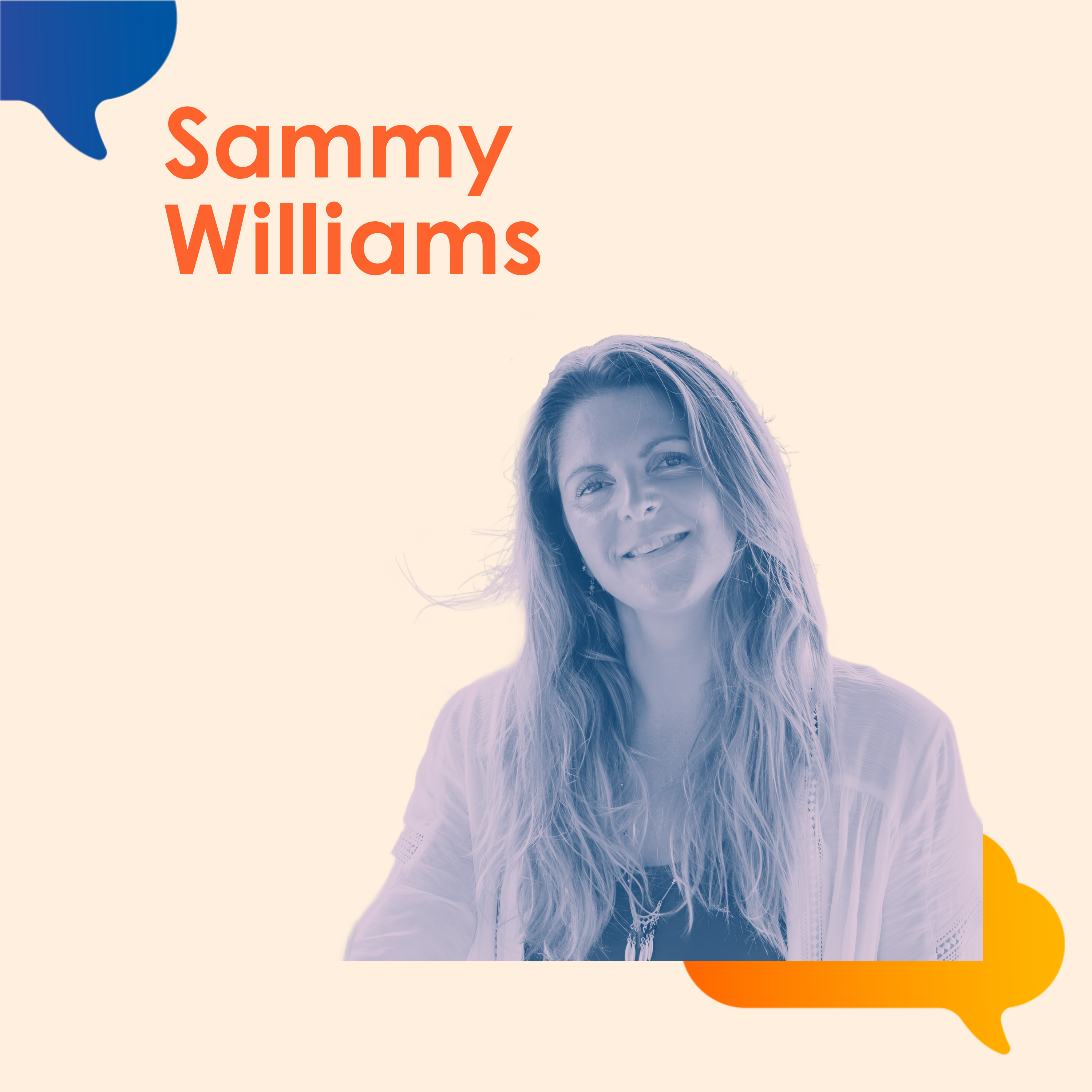
In this episode, I mind-blend with Sammy Williams to explore intuitive eating, eating disorder recovery, and the long-term impact of diet culture on physical and mental health.
This episode provides a practical perspective on intuitive eating, binge eating recovery, and building a healthy relationship with food, without rigid rules, guilt, or punishment.
About Sammy Williams
After battling and recovering from 20 years of eating disorders, Sammy is now a health coach who aims to empower individuals to achieve optimal body weight and metabolic health, through personalized nutrition coaching, intuitive eating principles, education, bespoke menus and culinary advice to create clarity and dispel confusion.
You can connect with Sammy on https://www.naturalnut.co.uk/, LinkedIn, Instagram and Facebook.
Mind Blend is all about real experiences and meaningful conversations—through sharing these insights, I hope to inspire and empower you as you navigate your unique journey.
What resonated with you today? What topics or guests should we feature next? Let’s keep the conversation going—connect with me on LinkedIn @Mind-Blend, Instagram Mindblendpodcast or mindblendpodcast [@] gmail.com.
Follow Mind Blend to get notified when new episodes are released!
0:00 My coach told me that I needed to lose weight, that I was too fat. Mind, I was just like, OK, so that's that's a message that I, you know, affected me. And I actually didn't really realize that that had affected me until I actually went through a recovery for my eating disorder. It wasn't really until I admitted to myself that I needed to change. Because when other people tell you to change, you're not doing it for yourself, you're doing it for them, or you're doing because you feel guilt or whatever you want to please others.
0:30 But actually, you know, the time that it really made a difference to me was when I decided that I didn't want to live with this behaviour anymore, that I'd had enough of it and I wanted to take steps to help myself.
0:47 That was Sammy Williams sharing how a single comment from a swimming coach became the starting point of her eating disorder and how she ultimately made the decision to reclaim her relationship with food. In this episode, Sammy and I have an honest, deeply personal conversation about eating disorders, intuitive eating, and what it means to build a healthy relationship with food in a world obsessed with diets and trends. We also unpacked the critical difference between mindful eating and restrictive eating.
1:18 One supports long term health and the other one keeps people stuck in a cycle of deprivation and bingeing.
1:29 Welcome to the show Mind Blend. I'm your host, Karen Chong, and I'll be diving into the minds of incredible people, each an expert in their very own way. Together we'll uncover insights and share ideas so you can be inspired and empowered to navigate your own unique journey in life. Ready to get curious and discover what's possible? Let's blend. So at the time of the recording is December in 2025 S? What does that mean? Year end parties, holidays. At this time of the year, in a lot of cultures, it means a lot of gathering, lot of food, eating, just enjoying and just taking it easy.
2:11 Then comes January and people start making healthy New Year's resolution. They're going back to the gym doing dry January to cut out the alcohol that they overdid in the holidays. So we're going to talk about exactly that today with my guest, Sammy Williams. Sammy is an associated registered nutritionist and founder of Natural Nutrition, educating and empowering people with the knowledge we all need to sustain health for life. Hi, Sammy, welcome to MIND Blend. Hi, Karen, Thank you for having me.
2:41 It's good to be here. Yeah, welcome. And I'm really glad to have this conversation with you, with someone also in the UK. Yeah, we're both witnessing the cold, dark days at the moment. Yeah, yeah, which makes it even harder. Yeah, it does. Yeah. Although it is a beautiful day today, I have to say I went out this morning and it was sunny and not too cold so. Yeah, yeah, when the sun is out, the mood lifted. Absolutely, Yeah. I just got back from a trip in South Africa as well, so coming back from like spring, so autumn, yeah, a bit challenging.
3:15 My body is like confused. It's going, yeah. Where are we? Yeah, and the season also effects our attitudes towards food a lot. We'll dive a lot into that. But before that, I want to hear your story because I know it's really impactful when you told me, and it's not always the same as the life you have right now. So let's talk about that. Yeah, absolutely. So I guess it kind of started really my relationship with food was quite complex when I was younger because I used to be a competitive swimmer when I was young, like early morning swimming when I was 8 years old.
3:53 And obviously, like how you eat is quite important when you're an athlete as a child, you know, your body's continually changing and growing and everything. So it's kind of hard to really know exactly what to eat sometimes. And that I had an incident in, in my early sort of swimming years where my coach told me that I needed to lose weight, that I was too fat. And you know, as a female learn, like learning, you know, it's kind of about your body and everything else. And I was wearing a swimsuit all the time because I was swimming constantly, like morning.
4:29 And it just really created a disconnection with my body. Actually, I, I started to see my body in a different way and that kind of, I guess like triggered a series of different things happening to me, which led to me developing an eating disorder in my like early, well, late teens, early 20s, around the age of about 19. And yeah, I just kind of, at the time, I just kind of thought it was a normal behaviour because I grew up, you know, in the UK in the 90s, there was lots of messaging in the media around what a female body should look like, like that it should look very skinny.
5:10 It was like heroin chic was the fashion. And, you know, as a young, impressionable teenager, like, I internalized a lot of that messaging alongside, you know, being constantly on show in my body, you know, when I was swimming. And I also did triathlons as well. And, you know, having lots of people around me and lots of other girls. And I was always comparing my body to them and thinking, oh, well, you know, I'm the one that needs to lose weight because I've been told that, but that I'm is in a position of power and authority.
5:41 So therefore, you know, I, I don't look like that. So that's what I need to look. Like you said, you like had a different image of your body. Do you remember what that was? I think it was just an awareness of it, awareness of it Like you don't, you don't look at your body and think there's anything wrong with it. Yeah, it's just there. It's just a vessel that you've bought your soul is in and you're enjoying yourself. And, and I think that comment is kind of suddenly made me look at my body in a different way and think there's something wrong with it.
6:15 Like it needs changing. The way it is isn't how it should be. And I just think in my sort of, I was only 8 years old when that happened. So my young mind, I was just like, OK, so that's, that's a message that I, you know, affected me. And I actually didn't really realise that that had affected me until I actually went through a recovery for my eating disorder and a lot of work with a therapist. And, you know, I did a lot of meditation and, you know, I'm quite a spiritual person. So I, I kind of use other, other ways to kind of understand like with the root of where this is coming from.
6:48 And I'm not saying that that was the root, but that was definitely a thing that happened to me, that contributed to how I saw my body and perceived myself, having myself for the people. So you had that eating disorder. When did the light bulb turn on? When did you realize, oh, there's something wrong? Yeah, so I guess like quite early on because, well, I was at university when it really started to kind of manifest after I left home first time and I I stopped swimming, I stopped doing triathlons, I stopped doing all the exercise that I've been doing for the last 10 years.
7:26 And I just kind of had enough of it really. And I just wanted to like enjoy myself and. And I lost a lot of weight really quickly because at that age you do anyway, your body's still changing. And because I had been very fit, I think, you know, just stopping exercising, my body just changed. And people would comment and be like, Oh my God, you look amazing. Like you're also playing.
7:48 And then like, I, you know, I sort of had all these times where I was feeling, you know, very uncomfortable, my body. And I would like restrict and then like people would, you know, say like, why aren't you eating and all this kind of stuff? And then I would eat in front of people because I felt like people were watching me. And then I would. Yeah, just to shut you up. Yeah, exactly. And pretend because you you don't want, because it's a secret. Like you want it to, you want it, you want it to be that.
8:14 I wanted to be skinny. Like I didn't want to not be skinny. So I kind of hid it and it was my secret. And then I would like purge sometimes because I get this anxiety about the fact that I eat and stuff. So, yeah. And so I guess around that time, you know, my friends were like, oh, do you know, you need to see a therapist? And I had a boyfriend at the time and he was like, you know, I'm worried about you. And, and it was at that point that I, it became like even more secret because I, I went to one therapy session and I was just like, I'm not, I don't want to do this.
8:47 So I wasn't ready. I was very young. I just, I was happy with how I was. I was just like, I just want to enjoy myself at least basically. So yeah, even though I kind of knew it was behaviour that was damaging, I didn't want to accept that. Yeah. Did you think if you correct it, you're going to be fat again? Yeah, that's the fear that is. The fear is like you associate like, and to be honest, like I was never fat. Like I've never been fat in my life. I was like. Wasn't even that. I wasn't, I was a normal like young, young girl, you know, I had to like puppy fat, I guess you call it.
9:20 But that's a normal thing. And, you know, my body was changing. I was growing breasts and, you know, having my period and all those hormones and stuff like that. And you know, I've never be, I was big because I've, I've quite tall, you know, I'm like 5 or 8 and I, I was a swimmer. So, you know, it was like you've got big shoulders and things. You needed the muscle to propel you. Well, exactly. But all of these messages like contributed to me feeling like this discomfort in my body that people were commenting on how I looked and you know what?
9:52 I was what I was presenting as a physical being. And that just kind of then made me think I need to be different. And so, yeah. But it wasn't really until I admitted to myself that I needed to change. Because when other people tell you to change, you're not doing it for yourself, you're doing it for them, or you're doing because you feel guilt or whatever you want to please others. But actually, you know, the time that it really made a difference to me was when I decided that I didn't want to live with this behaviour anymore.
10:25 I'd had enough of it and I wanted to take steps to help myself and that that decision didn't come to me until I was actually 39. So I lived with this kind of behaviour in cycles. It came in cycles for about 20 years of my. Life. Wow, that's a long time it. Is a long time and you know, I it wasn't always really bad. You know, there would be times in my life where I was like really happy and content and it would that the behaviours would kind of go away. But then I ever went through a period of stress in my life or difficult times, that would be the behaviour that would come back because it was like a, you know, it was like a familiar friend.
11:05 It's, it's a coping mechanism. You know, if I focus on that and my weight and what I'm eating, I don't have to think about this other stuff that's happening that I'm feeling really bad about, or I don't have to think about an emotion that I'm feeling like I don't want to feel or whatever it is, you know, so and it's, yeah, you're just reinforcing that pathway, that behavioural pathway in your brain every time you do it. So and I, I just kind of thought it was normal. I thought it was what all women did, to be honest with you, for a long time.
11:34 I told that anyway, you know, it was, it was that kind of, you lie to yourself, don't you? You know, we're brilliant lying to ourselves. Yeah. Only at that point I decided, and it was actually during COVID that I was living in Bangkok. I was teaching out there and I was that there was something on the beat. I was listening to BBC News and they said something about people gaining weight over locked out. And that just sent me into like massive stress. I was like, Oh my God, I can't put weight on cycle of like, you know, being really obsessed with everything, like exercising all the time.
12:09 And it was another coping mechanism for the situation which we were all in, which was pretty scary and nobody knew what was going on. And I thought, I'm just exhausted right by this, this, I can't keep putting all my energy into this all the time. And I just had a moment where I was just like, am I going to keep doing this for the rest of my life or am I going to change it? Like I have a choice, like I don't have doing it. And I decided to seek some help. And I found it very hard to even say eating disorder at the beginning that I felt so uncomfortable about it.
12:44 And the therapist just helped me to kind of gradually, yeah, accept it and open up about it and then understand it and put new, new thought processes in my mind really, which is how you make change. And it probably to 2 1/2 years probably in total to kind of get to a point where I didn't need, like, therapy to continually be, you know, going through everything. Yeah. So, but it's still that, I mean, it's, you know, I still can notice my brain sometimes, you know, a thought will come to me and I'm an old.
13:22 That's an old thought. What kind of thought would it be?
13:29 Something like I guess, Oh God, I haven't like exercised today or I haven't, you know, I've eaten like a burger. Oh my God, you know, tomorrow I need to tomorrow I need to eat less like that type of thing. So but now I'm like, no, my body needs needed that. Like it felt good. Like I'm, you know, I treat myself with compassion now and I, the way I speak to myself is different. And, you know, I've done, you know, a lot of work and I started it in 2020. It's been kind of five years now since I began that process.
14:05 And there's been many, many different things that I've done which have changed the way my brain works in that way. Yeah, I think that's the the mindset is very important because we I see our relationship with food, it's very all or nothing in a lot of circles or in a lot of my friends is very all or nothing. They go all out, go crazy, eat whatever is in the fridge, and then they cut everything out or cut this entire group of food out. Or they eat or not eat for not the right reason. Yeah, absolutely.
14:43 Yeah. That's very much a behaviour that comes from diet culture. You know, it's it's and that's what leads to eating disorders in a lot of people is that binge restrict mentality that there's like you have to compensate for overeating by under eating. But actually what I've learned is that your body has its own mechanisms for that. Don't have to control it with this body will naturally get you to eat more if you're hungry and it will naturally get you to eat less if you're not hungry. And all that doing the binge restrict cycle does is it actually damages your metabolism.
15:21 You're constantly in this like, you know, overeating, overconsumption and then underconsumption. And it it really confuses the body because when you food, your metabolic rate gets slower. When you eat more food, your metabolic rate gets higher. So actually, if you're constantly in this like yo yoing all the time, you end up with metabolic dysfunction and you're more likely to have things like insulin resistance and type 2 diabetes later in life if you've been a chronic Dieter and actually having it's a form of control, like you feel like you're more in control if you're.
16:00 Doing their diet. Yeah, by doing a diet, exactly. Yeah. But actually when I work with clients who have had this kind of issue, what they realise is actually if they eat just, you know, like regularly and they eat at the same time every day and they have, you know, breakfast, lunch and dinner or whatever it is that suits their body, they actually feel more in control because they don't have this like ravenous hunger that you get from restricting. Yeah, yeah. It's that that leads to the fear of weight gain.
16:28 And so if people can come to a more balanced place with food and, you know, they don't overeat because they're not so hungry, need to restrict, which makes them more hungry. Do you see what I mean? Actually gives them more control. They always say that to me, that I can't believe I feel more in control now that I'm eating like this than I used to feel when I was restricting. Yeah, it's almost like they they didn't have the control. The food had the control. Yeah, But it's actually the body that has the control because your body will override this.
17:02 So, you know, your body is like driving hunger. If it's, you know, the hormones in your body will make you hungry. And the way that that happens is if your cells are like empty, basically, if you're, you know, if you're, if you're low on your blood sugar, you know, your hunger hormones increase. So it makes you more hungry. So you can't override it with the brain forever. And when you have an eating disorder, you know, you spend a lot of time feeling very hungry. And it is a battle of will to be like I have to, I'm not going to eat.
17:33 I'm not going to eat. And you will do anything to avoid that. And it's not, you know, it's quite. Difficult. Yeah, I had a very brief moment of that. It was about, I'd say maybe six months. So I moved to Japan when I was in like my late 20s, but things were not very easy. I had some relationship problem back home. I remember I think I was, I had a mild eating disorder because there'll be. So I was restricting partly because of budget. I didn't want to run out of money before the end of how long I was supposed to be there.
18:09 I remember because I was a person. I was a sweets person. I love cakes, desserts, and they have all these beautiful cakes in Japan. And I remember looking at the cake and I thought, well, if I eat it, I'm just going to get fat, so might as well not. So I did think I had about six months of that type of thinking. And I did lose a lot of weight when my family picked me up at the airport. My sister said you have just your head. Like, it's just head. There's nothing like, you're so skinny. Like they couldn't really recognize me when I went there.
18:46 Yeah. Yeah, but that is, you know, we we associate food with comfort because we're babies, you know, we get fed when we're crying. You know, it's a way that we bond with our mothers, whether we have bottle fed or breastfed. And you know, it's a pacification like when when we're upset, we get pacified with food a lot of the time. So from from the moment of birth, we connect food and comfort together. So when you're in a situation where you feel a bit lonely, like you, you know, you were in a difficult place where you know you had relationship issues, you were living in a country that you weren't from.
19:20 And all those things can kind of make you feel insecure. And food is a really easy way to comfort yourself. It's almost like a self soothing kind of behavior. And overeating and under eating are both the same. The root of it is the same, it's just that the behaviour is different. You know, some people will overeat to get that feeling of compensation and some people will under eat to get that feeling of, of compensation. So still the same, you know, still you're using food as a control mechanism or a coping mechanism.
19:55 It's just that the behaviour around it is different. So and I would say that most women that I meet. And then actually as well, but more, more women have had some sort of issue around food at some point in their lives. It's common in 20, in your 20s, I think because you're still finding out who you are. You're maybe not very secure. You're a bit more like, you know, you're moving around more and exploring. But it, you know, it can stay stick around, you know, it can stay with you. So yeah, I would say that that's that's quite a common thing that I hear actually.
20:29 And this was the reason why I wanted to recover properly is because I wanted to be able to speak to other women about this and say it's not just you Like there is, you know, millions of women out there probably experiencing or have experienced the same thing. And well, what I realised is when I was vulnerable about my issues and I spoke to people openly about it, that enabled them to also do the same. Oh, like sharing their own issue. Exactly. Yeah. And because otherwise you think, Oh my God, it's just me.
21:01 Like I'm going through all this stuff and nobody else understands it. But as soon as you open up to somebody about it and they go, Oh my God, I was exactly the same or. Like it was me. Yeah, exactly. That's main. So, you know, I found it really hard to talk about in the beginning, but now I talk about it all the time, you know, So it's and it's obviously part of what I do now to help other people. So yeah, I'm being like free in your mind around food is like such a liberating thing. Yeah, and now I definitely eat a lot more than before.
21:33 Maybe when I was a teenager I ate a lot, but now I definitely eat a lot more than 10 years ago. But my weight is not all that different and I, I actually think I have more tone than 10 years ago. So I think there's something that we can educate people about eating properly. It's not only you're not only eating salad, it's about eating the right combination of things, making sure you have different nutrients. So but I am more restrictive when it comes to don't go overboard. Like I'll eat sweets, candy, chocolate, whatever.
22:11 I just don't eat five pieces in one sitting or I don't eat every single day. So what do you think the difference between mindful eating and restrictive eating? So when I sort of after I'd gone through my recovery, I did a course in intuitive eating to become an intuitive. And part of that is, you know, mindfulness, like mindful eating is one of the kind of principles of intuitive eating. And, you know, restrictive, the restrictive mindset is you're not listening to your body. It's a mindset, it's a your brain.
22:47 It's try your ego actually probably is trying to control what your behaviour is. And it's an illusion, you know, be able to control that is a is an illusion. And over time, you can't, you can't continually do that. Whereas mindful eating is learning to sit with your body, feel your body, feel its signals and interpret what they mean as well is we live in a in an environment and a lifestyle now that cuts us off pretty much from here, you know? I think so. Yeah, we sit at screens all day and I spent I think I was at my screen for like 12 hours yesterday.
23:31 I just last night I just could not switch my brain off like it was really. Hard, yeah. This morning, that's why I went out for a run because I was like, I need to come back into my body. I need to feel my body again. And I think, you know, if you're not in that way of thinking, if you're not aware of it, then you can end up not being able to feel what your body is telling you. You know, you're like a very, very wise Organism. I was like ancestral and ancient wisdom in it. And we're very cut off from that.
24:03 So if we can kind of come back into our body and start to feel it again, we can listen to its signals. So hunger, Sir, tiredness, stress, anger and emotion that, you know, whatever it is that we're feeling and we can go, OK, yeah. Because quite often we might be like, I'm hungry. That's the automatic thing that comes. But actually, you might not be hungry. You might be feeling frustrated. You might, you might just be tired, you know. So if we can kind of distinguish between what those things are, we're much better at being able to nourish our bodies in the right way.
24:38 And when we're eating, we need to be present with that process as well. So mindful eating is all about being present with the process. Sit with the food. You look at the food, you smell it, you notice what your body is doing in response to that. You know the question starts like way before you eat. All. Your hormones being released, your, you know, saliva is being produced. There's lots of things going on in the body before you eat food and you know, and then we sort of sit down to eat the food and we're watching a screen and completely mindlessly.
25:11 Yeah, that happened so many times when I'm like having a meeting or something. Yeah, Watching something. Yeah. So if we can like come back and and respect food for, you know, the nourishment that it is, rather than it being like a secondary thing or maybe even a third thing that we just have to do to kind of keep us going or just, you know, do without thought. So I'm not saying that every meal you're going to sit there and have this whole process of mindful eating because it's not not practical.
25:43 But, you know, once a week, give yourself a meal where you are sitting with, you know, you can be with other people, but without conversation, without a phone, without a screen, you know, just without music, even just completely with the food and with the process. And, you know, put it in your mouth, taste it, notice what's happening, like swallow it. How does it feel inside your body? Like is this satisfying you or is there something else going on and you know it? It's can, it can be a really beautiful process to do that off the space for that.
26:13 And if you do that once a week, it will affect the rest of the time you eat as well. Yeah, yeah. Start to go, Oh yeah, OK, I'm really enjoying this or Oh my God, I'm eating this and not even thinking about it. And the best way to change your relationship with food is with awareness, awareness of your behaviours. Because a lot of the way we eat is conditioning. And it's conditioning that, you know, we received as children and young people when we, we had no choice about who was around us. And that conditioning is driving 90% of our behaviour all automatic.
26:46 We're not even thinking about it. So bringing that into your awareness, your conscious awareness is the best way to start making a change. And you know, I think also we need to remember that food is it's giving you health food and body weight and what bodies look like. It's not just something that adds weight. Do you want to be healthy? Like that's the question you need to ask yourself. Do I want my health? You know, I often say that health is our most precious asset, but we don't realize that until it's gone.
27:20 Don't realize how important health is until we don't have our health for some reason. You know, you get a flu or you know, you break your leg or whatever it is and it suddenly stops you from living the life you want to live. Like, don't wait to get to that point with your health to make a change with your food, like actually do it now. Start to make better choices and think about is this food going to give me the the nourishment that it needs, that my body needs right now or am I trying to satisfy another hunger like an emotional hunger or something like that.
27:53 It's another thing to that I teach people is like, are you emotionally hungry or are you physically hungry? Yeah, distinguish. Yeah, I'd like to dive into intuitive eating a little more because I do that to a certain degree because I feel like sometimes I crave certain things for a meal because my body needs that. Sometimes I really wanted a very particular, OK, I really wanted a broccoli dish today. Or sometimes I really feel like I really need some food. And I think that is those are the signals.
28:25 And a lot of people, they practice whatever diets that they're following and that's not what your body is craving at all. And I also read in a book called Ultra Processed People, I just came out a couple of years and there was an experiment that they did with just babies. Yeah, it's very young age. And then they have different things in front of different food in front of them. And then for the baby, that's, that is needing a certain nutrient that is present in the cod liver oil or something like that.
28:56 The baby naturally reach for the the oil until maybe a couple of days later he or she didn't need it anymore and the baby picked some other food. And I think that is really interesting. Not a lot of people is aware of that. So how would you teach someone to paying attention to the signals to start practicing intuitive eating? Yeah. So I think one of the most effective ways to to begin that process is through body scanning. So a body scan meditation. So this is something that I talk my clients through and I, I sort of guide them through it.
29:34 And you're like feeling like every single part of your body. So you feel like your little toes, you know, and, and you go through that whole process and then and then you can kind of like, OK, so I can feel like what's happening in my abdomen now, you know, I can feel like, am I hungry? Am I physically hungry at what signals I got? And it's very much a, you know, it takes time to develop that the the 6th or 7th sense called interception, which ability, the sensitivity to feel your body. And that's what I believe has been cut off.
30:11 A lot of us have cut off from, you know, if you're, if you exercise and you're into, you know, some of those kind of things, it's probably less of an issue. But for the people who are kind of sitting down in front of screens a lot, I think that's definitely something that that can happen is they, they stop to feel their bodies. And I would say, you know, to, to learn about what the 10 principles of intuitive eating are and look through them. And I, and I do this, you know, I get them to look through them and I'm like, which ones you already doing?
30:42 Because we're all doing some of them. It's not like we're all just completely oblivious to what we're eating. You know, I think everybody, even people that are in really bad health, everybody has an awareness that that what the food is eating and what's doing to them. And it is also a case of trial and error. You know, you eat a food. Oh, I don't feel good after that. Or you eat your food and you're like, I feel really energized. I'm like, you know, that's exactly what I needed. Like you just described.
31:08 Really need to eat some fruit today, you know. But when I was going through my recovery, I used to have that with a beef burger. I'd be like, I really need to eat a beef burger because I bought you going. I need energy. You know, I was also vegan for quite a long time, which was a whole other kind of reason for me to restrict food. It was also for ethical reasons as well. But what I realised is that my body was going give me like more. I was constantly denying it. And that was when I had problems with my menstrual cycle and periods and all that kind of stuff.
31:42 And so, you know, you do just go through a process of trial and error. And you know, I'm not saying that the, the intuitive eating is a set of principles. It's not like strict guidelines because complete opposite of what, what you know, that's diet culture. Diet culture is strict. It's like, eat this, you eat in this window, you eat these number of calories, you cut this out. It's very, you know, it's very masculine and it's energy dieting. Whereas intuitive eating is like more feminine approach because it's like, how do I feel today?
32:13 Maybe maybe I'm like, I really want to eat a doughnut. Allow yourself to do that because if you don't you, you're then kind of going, you know, I really stopped. I really wanted to eat that doughnut but I didn't let myself. You're risking like going into more of a binging behaviour then because you're like, well, my body's craving energy so I'm going to eat 3 doughnuts 3 days later. Do you know what I mean? So it can kind of become more difficult if you become more restrictive. And that's why diets don't work.
32:44 They restrict and nobody wants to live in those very strict boundaries for the rest of their life. I've had friends that sit around doing keto. I feel amazing and, and like you're never going to stick to that forever when you're never going to not eat a cake again in your life. Like you've got 60 years of life left, like you're never going to eat a cake. You know, it's, it's just that kind of mentality. And so I really try and help people, even though I work with people who are, you know, living with metabolic conditions like diabetes and obesity and fatty liver disease disease.
33:15 I want them to get to a place where they can still eat the foods they enjoy. But they're doing it with awareness and with understanding of what's happening in their body. And they've shifted and they've learned throughout the program that I do. So therefore they, they can't go back because they've got too much knowledge, then kind of, you know, go back. So yeah, you've got to be realistic as well. Like, you know, I really love chocolate. I love chocolate desserts. And I don't stop myself from eating them now because if, if I'm like, I really want to have that, you know, it's usually because, you know, it's been maybe a week since I've had anything like that.
33:54 And I'm like, I really fancy it. And that's fine because you have a bit and you go, actually I've had enough. Now. If you deny yourself it, you want it more. You know, it's like prophecy. That's something, isn't it? As soon as you restrict something, you can't stop thinking about it. And that's what you want. So if you, if you remove that restriction and say one of the principles is unconditional permission to eat in insurance of eating. So you're giving yourself permission to eat whatever you feel like eating unconditionally.
34:23 Not with like, am I going to eat this chocolate dessert? But then tomorrow I'm going to restrict again, that's traditional. So it's learning that as well as a principle. And there's ways to kind of embed those behaviours. And it, you know, it's a, it's a process that takes time and you have to do each step in a, in a particular way to come to a place where you feel comfortable with allowing yourself to eat the foods that you're actually really craving. Yeah. How do we draw the line between? Because unconditionally unrestrictive eating.
34:58 That sounds like slippery slope on the surface. Of course, there are other principles in the intuitive eating. Yeah. Like, how do we draw the line? Because that is music to a lot of people's ears. I could eat whatever I want. That's also like a lot of the diets, the fad diets. Yeah, that's what they claim. Like, you can eat unlimited amounts of meat and you won't gain weight. All that. Yeah. Like, how do we be careful about that? Yeah, that's a really good question. So like I said at the beginning, you know, the body has its own mechanisms for kind of keeping you fed and sustained.
35:37 You know, if you are living with obesity or being very overweight, then you are going to need to make changes. You're not going to be able to just eat what you want when you want because that's clearly not been serving you to this point health. So you've got to balance that with, you know, understanding nutrition, understanding the health goals that you want to achieve and then bringing your behaviour and your knowledge around food in line with that. There's also, you know, a lot of a misconception around intuitive eating.
36:16 Intuitive eating isn't just eating whatever you want whenever you want to it. That isn't what it is. And somebody else said to me once, oh, isn't intuitive eating just feeling hungry and eating then? And like, yes, it is. But if it was that simple, everybody would just be doing it already and we wouldn't have any dietary related diseases, You know, So it's every single person is individual and has their own individual background with food, their own emotional connection to food and bringing their own awareness into like why they're eating the way they are.
36:52 Is that like why you binging on crisps when you get home from work? And a lot of the time it's because people don't eat enough during the daytime. You know, they wake up, they skip breakfast because they're intermittent fasting. They get to lunch and they go. I'm going to have a salad. 2. 100 calories and then they get home at 5:00 and they're like starving hungry and they've got like the whole fridge and the whole of the cupboards to to, you know, feed themselves with and they open the cupboard and they just start binging.
37:21 That's because you haven't nourished yourself in the daytime. The daytime is the active period of the day where you're, you know, your brain is working, you're at work, you're out, whatever you're doing and you need to give your body fuel. Like that's what food is. It gives you fuel to be able to perform in the best way you can. And by restricting in the daytime, you're, you're creating a, a binging behaviour in the evening because you get home, maybe you're feeling lonely, maybe there's nobody at home to greet you.
37:53 Maybe your dog just died. You know, whatever it is, you emotion. And then you're like, food is a comfort. So you eat food and then you go into that, Oh my God, last night I ate so much food today I need to restrict. And you're back in that cycle again. Whereas intuitive eating teaches you to recognize if you're emotionally hungry, like I feel I'm this, this feeling is not physical hunger. This is emotional hunger. I'm going to ring my friend up and have a cry on the phone or I'm going to, you know, do whatever some something else that gives you the emotional connection.
38:31 There are lots of other ways to manage emotional hunger that don't involve food. And actually you need to reach for something that doesn't involve food, that gives you usually it's a human connection that we're that we're looking for. So yeah, it's understanding that and recognizing your own behaviour and saying this isn't behaviour that I want to keep doing. It's not the health I want.
38:57 What you said is very important because I was wondering how can someone who just listen to this? And I'm sure deep down everyone knows that they have this unhealthy relationship with who? Like are I'm just eating because it's there or like I really want to eat this whole bag of crisps. So deep down everyone knows. But what would be something that they can start asking themselves if they want to address it? And you answered it even before I ask there. We go. OK, so I would like to do a rapid fire round of questions.
39:34 OK, go for it. So really quick answers, OK, what's your ultimate comfort food? Oh God, that's a really difficult one. I think. I mean, it's going to be a bit weird, but it's a casserole that my mum used to make with Ansel's and chorizo, which is like a Spanish sausage. So that just really reminds me of being young and my mum feeding that in the winter. So that feels like. Yeah, yeah. Comforting. Nourishing. Exactly. Yeah, yeah, yeah. All right, next one. What's a healthy food trend that you know is rubbish?
40:15 Perceived to be healthy I would say the keto diet. No, you're not the first person I said yeah, I was talking to another health coach. Oh, really? She does the same thing? Yeah, it's definitely not. It's not sustainable. It's not good for your metabolism. Living on ketones for the rest of your life is not how we're designed to be. So yeah. And it's also not good for the planet to be eating all that meat. Yeah, as well, it's not good for your wallet either. No, absolutely. And you're not good for your gut health.
40:47 You know, gut microbiome really needs to have a lot of fibre and you know, you're kind of cutting that out really when you're on the keto diet mostly. So, yeah, OK. What's a food that you used to avoid but now love? Oh God, I was going to say a beef burger, but I don't like love a beef burger. I just, I just feel like I need it. But yeah, probably that and probably cakes. I would say you can actually, you know, if I do feel like eating a beef burger, I will potentially make my own as well. You know, what's in it then?
41:26 Yeah, You know, I try not to eat too much meat because just because of like, the ethical reasons and stuff. But I've also realized that my body actually really does need it. And I feel a lot more energetic when I have meat in my diet. So they have it maybe like once or twice a week now. Yeah, and I also notice if we make it at home ourself, it doesn't even need to be from scratch. Everything you can start easy like order the home kit, meal kits, delivery because the amount of salt and fat and everything that you put in it is definitely way less than when you get it.
42:00 For sure, yeah. And you can put you know what like your own spices and things in it if you want to things like that. So, you know, and I, I think with meat, like for me, I had, you know, like I said before, like hormonal problems, and that was partly because I was exercising too much and not eating enough protein. And so having a bit of meat now, you know, helps me. I'm 44 as well. So, you know, my menstrual cycle is, you know, gradually shifting and obviously entering perimenopause over the next few years and stuff.
42:28 So, you know, for me, I want to make sure I'm getting my protein intake. So. Yeah. Yeah, get yourself prepared. For that, yeah, exactly. Yeah. OK, if you were to pick one word to describe your philosophy of food or healthy eating, what would it be? Freedom. OK. Yeah. I think the other word that comes to me is flexibility. But you said one word, so I said freedom. Yeah. I think, you know, through my own journey, that's been the key to being able to enjoy my life, really. Because, you know, when you have this obsession with food, like, it really takes the joy out of life.
43:06 It was food is like pleasure, isn't it? You know, we celebrate with it. We, you know, we have like beautiful meals with we love and all of that stuff. And I love cooking as well. So yeah. So I now feel like I have this complete freedom around food that I didn't have for a very long time. Yeah, I know couples who broke up because they're eating values are not the same when it comes to. Food. All right. Last one, if you were to tell yourself, your younger self a message about food, what would you tell your younger self?
43:44 I would say to her that food is self-care and an act of self love. Well said. Thank you very much, Sammy. My pleasure. This is a message that a lot of us need to hear. But listening to yourself. So the recurring theme in Mind Blend is clarity. Like understanding yourself. And this is 1 aspect that we don't all practice. Like we are not mindful of our body, our actions, we're just doing. So I think this is really important. And I kind of preach this to my family here and there. A lot of the things is it's the all or nothing.
44:25 I always say it doesn't have to be. So all or nothing, all or nothing. Don't overdo it, but don't completely cut it out. Yeah, that's part of the intuitive. Reason it is, yeah, Absolutely, yeah. All right, I'll leave your information in the show notes so people can check out your website. I know you have your own podcast as well. A lot of interesting message there. It combines science and there's also spirituality and psychology. So definitely check it out. Yeah. Well, thank you very much. My pleasure, it's been great, really enjoyed it.
44:58 Great, thanks for listening to this episode of Mind One. If you enjoyed the conversation, don't forget to follow and share it with anyone who needs to hear it. And let's keep the conversation going. Connect with me on LinkedIn or leave me a comment. Until next time, stay curious, keep exploring, and let's continue to burn our minds and discover what's possible.

 Spotify
 Apple Podcasts
 Amazon Music
 Castbox
 YouTube
 Castro
 Goodpods
 Moon FM
 Overcast
 Pocket Casts
 Podbean
 Podcast Addict
 Podcast Republic